

ENCODE at #Disinfo2025: Understanding Emotions and Trust in the Fight Against Disinformation
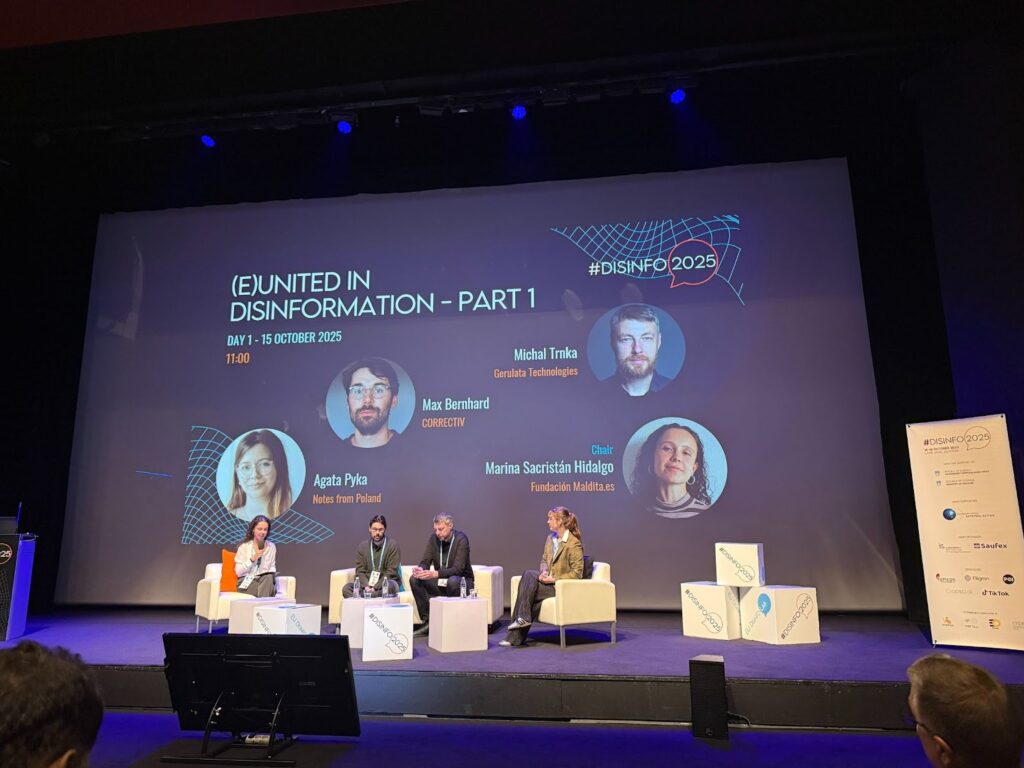
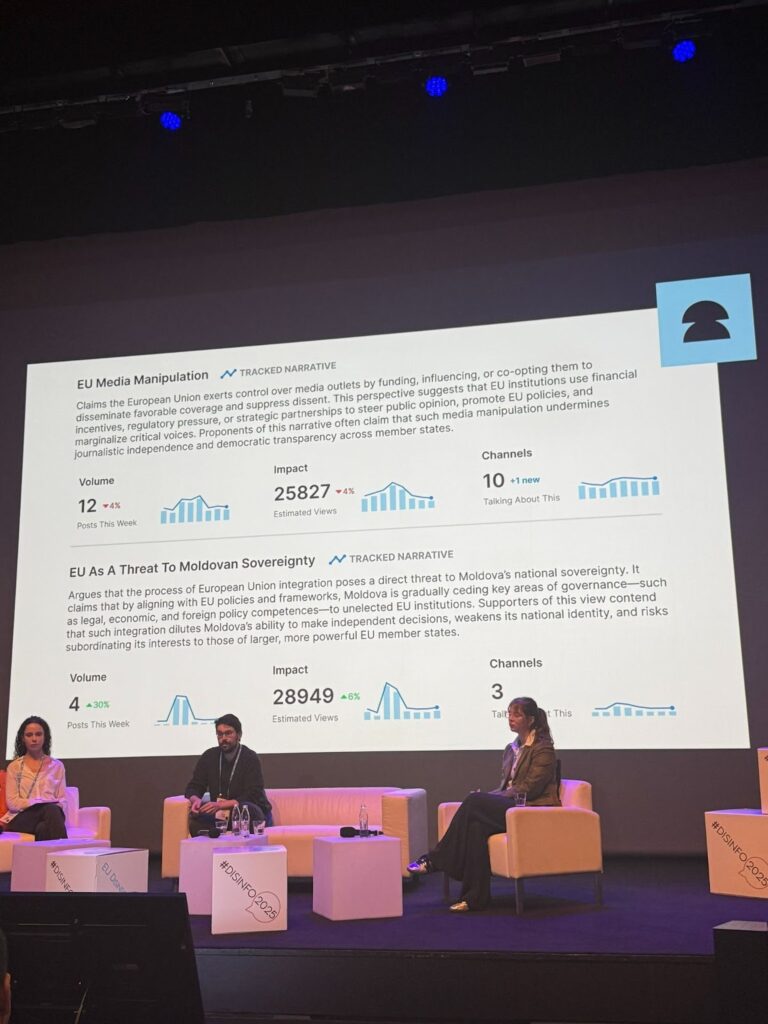
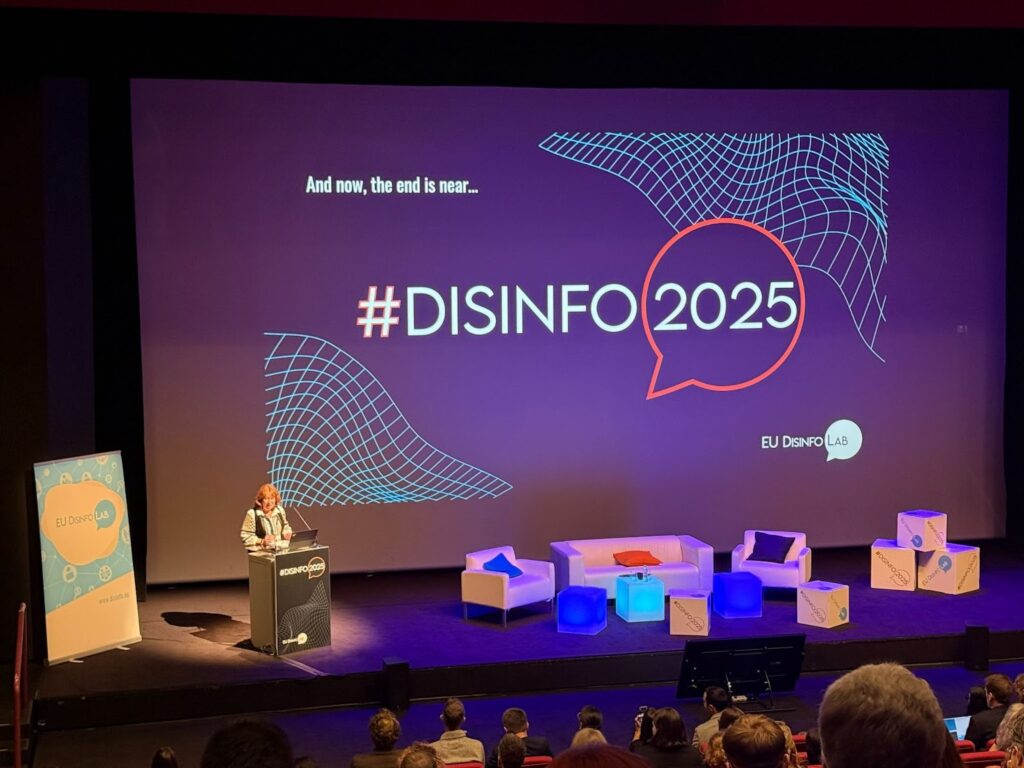
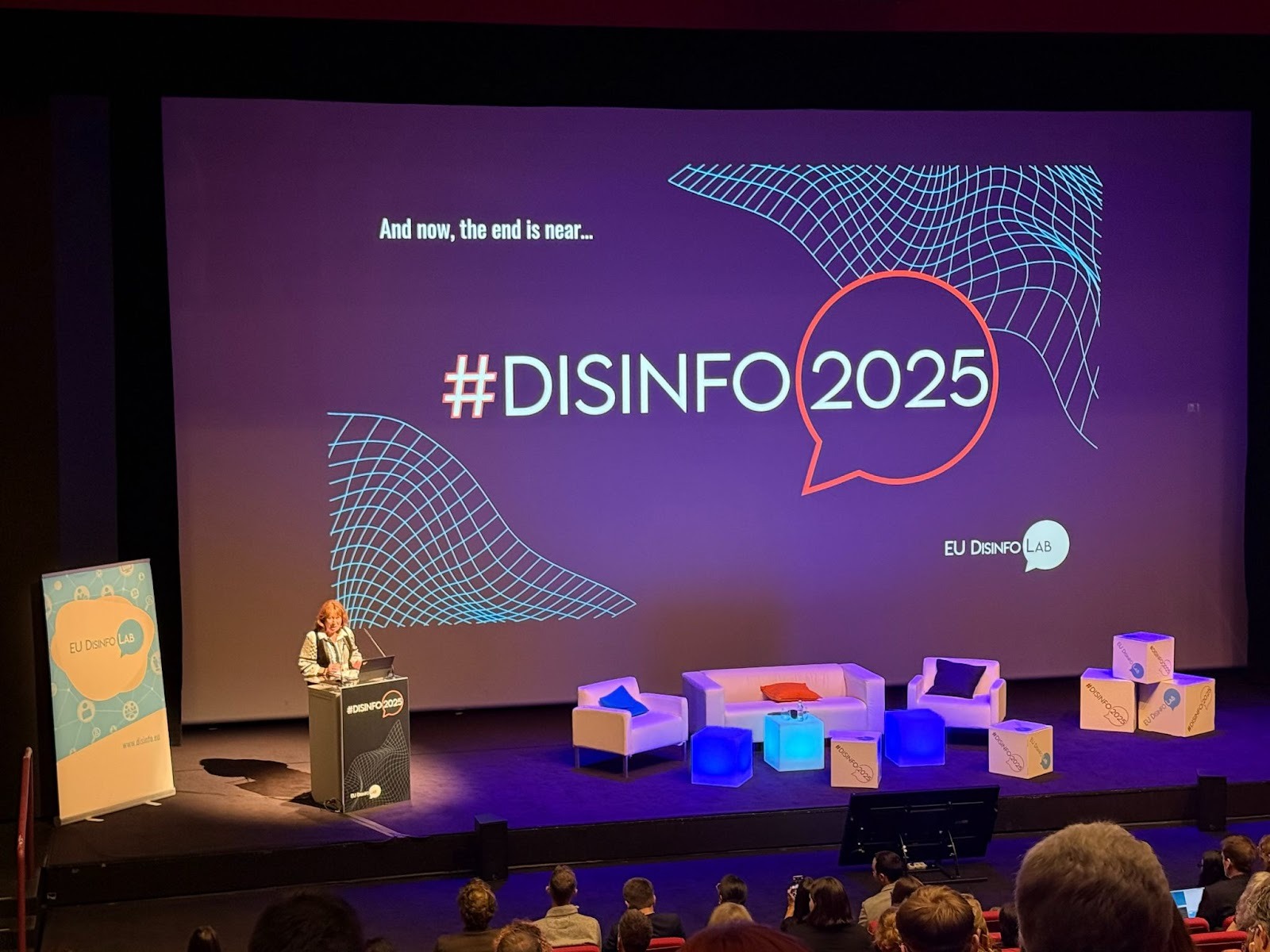
This year, #Disinfo2025, organized by EU DisinfoLab in Ljubljana, brought together researchers, journalists, fact-checkers, and policymakers from across the globe to discuss one of the most pressing challenges of our time: disinformation. The conference highlighted innovative approaches to building resilience, many of which closely align with the work being carried out by the ENCODE Project, particularly in understanding the emotional and cognitive factors that influence information resilience and democratic engagement.
Emotions Shape Information Resilience
A standout moment came from Olha Danchenkova of PR Army, who shared insights from Ukraine’s experience with cyberattacks:
“Before you think, you feel — before the brain can interpret what’s going on, you’re already in action.”
Her words underscored the critical role emotions play in how narratives are received, manipulated, and spread. The session emphasized that emotional literacy is not just a soft skill but a vital part of defending societies against disinformation.
One inspiring discussion centered on authentic and credible storytelling — using empathy, trust, and human connection to counter manipulation. Techniques that “inoculate” audiences by strengthening both emotional and informational resilience were highlighted as key strategies for long-term societal defense.
Trust and Societal Resilience
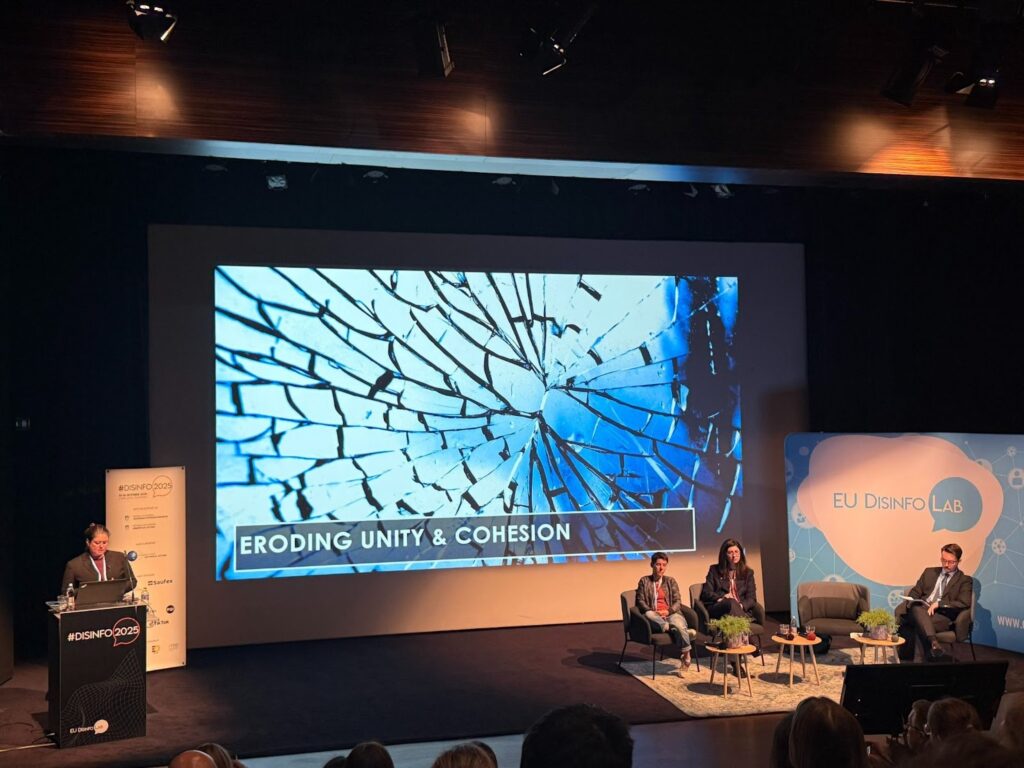
Another major theme at #Disinfo2025 was trust. Disinformation doesn’t need to convince; it only needs to create doubt. By amplifying uncertainty and division, disinformation erodes confidence in institutions, media, and social cohesion.
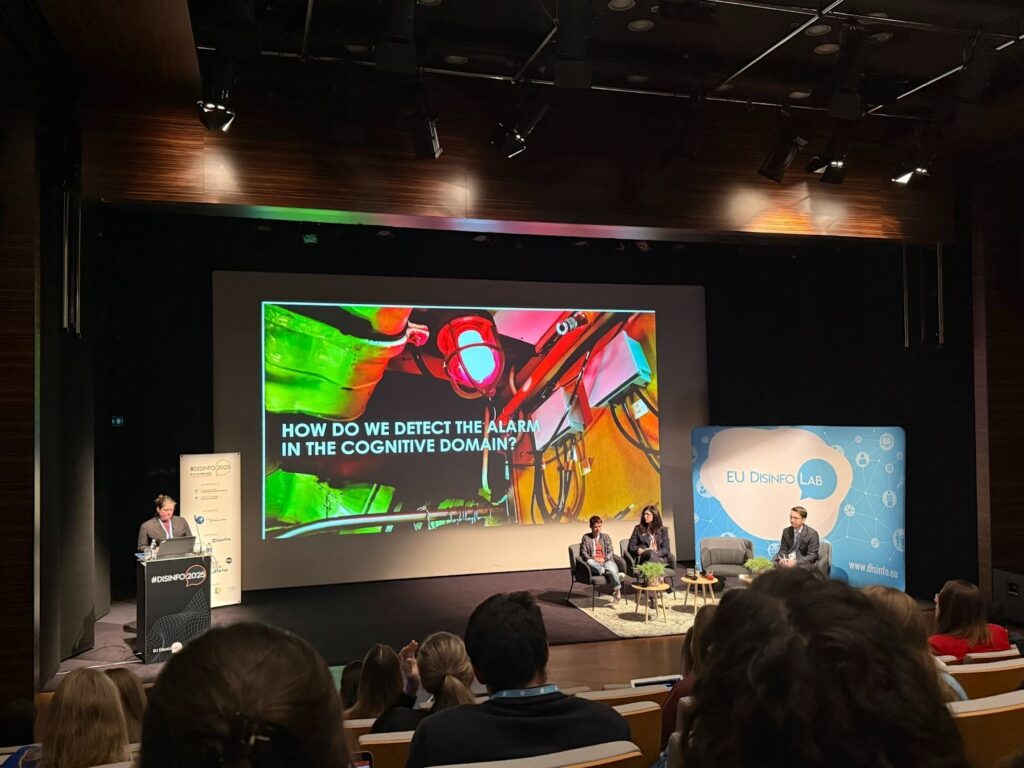
Jeanette Serritzlev from the Royal Danish Defence College shared compelling evidence of the long-term cognitive effects of disinformation. She noted how narratives from the Romanian presidential elections were later repurposed in other contexts, showing how manipulative storytelling can travel and persist long after its origin.
The discussions highlighted that disinformation operates not only as a tool of hybrid warfare but also on cognitive and emotional levels, shaping societal perceptions. Strengthening democracy, therefore, requires both robust institutions and a collective ability to recognize and resist manipulative narratives.
Bridging Research, Policy, and Civic Engagement
Across sessions, the conference made it clear that tackling disinformation requires cross-disciplinary collaboration. From research to policy and civic engagement, efforts like the ENCODE Project aim to equip societies with the tools to resist manipulation, foster trust, and maintain resilient democracies.
The conversations in Ljubljana reaffirm that understanding emotions, trust, and narratives is essential to building a digitally resilient society capable of withstanding the challenges of the modern information landscape.